Understanding HIV/AIDS
 admin
What is HIV?
Human Immunodeficiency Virus (HIV) is a virus that attacks the body’s immune system, especially CD4 cells, making it harder to fight infections. Without treatment, HIV weakens immunity over time.
What is AIDS?
Acquired Immunodeficiency Syndrome (AIDS) is the most advanced stage of HIV infection. Not everyone with HIV develops AIDS. With early diagnosis and consistent treatment, many people never reach this stage.
How Common is HIV?
HIV remains a major global public health issue, but effective prevention, testing and treatment have greatly improved health outcomes. Millions of people worldwide are living long, healthy lives with HIV.
How is HIV Spread?
HIV can spread through unprotected vaginal or anal sex, sharing needles or syringes, transfusion of infected blood where screening is unavailable, and from mother to child during pregnancy, childbirth or breastfeeding if preventive treatment is not provided. HIV is not spread by hugging, shaking hands, sharing food, toilet seats, mosquitoes or casual contact.
Symptoms
Most people won’t develop any symptom after exposure though some develop a flu-like illness within a few weeks of infection, while many have no symptoms for years. As HIV progresses without treatment, recurrent infections, weight loss, fever and persistent fatigue may occur due to reducing immunity.
Diagnosis
HIV is diagnosed using blood or oral fluid tests. If a recent exposure is suspected, a healthcare provider may recommend repeat testing after the window period.
Treatment
HIV is treated with antiretroviral therapy (ART). ART reduces the amount of virus in the body to very low levels, protects the immune system and helps people live long, healthy lives. Treatment should begin as soon as possible after diagnosis and continue every day as prescribed.
Understanding U=U
U=U means ‘Undetectable = Untransmittable’. People living with HIV who take ART consistently and maintain an undetectable viral load do not sexually transmit HIV to their partners.
Prevention
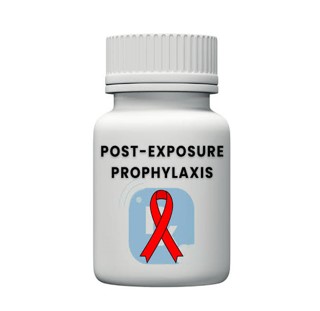
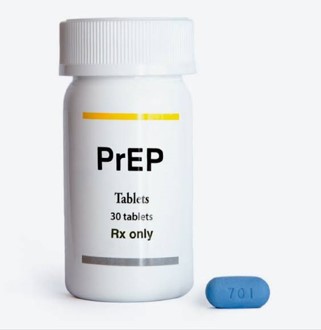
HIV prevention includes consistent condom use, regular testing, treatment for people living with HIV, pre-exposure prophylaxis (PrEP), post-exposure prophylaxis (PEP), avoiding shared needles, and prevention of mother-to-child transmission during pregnancy and breastfeeding.
Living Positively
People living with HIV can work, study, have relationships and raise families. Healthy eating, regular medical care, emotional support and adherence to ART contribute to a good quality of life.
Complications Without Treatment
Without treatment, HIV can progress to AIDS, increasing the risk of severe infections, certain cancers and other life-threatening illnesses.
Did You Know?
People living with HIV who take their medication consistently and maintain an undetectable viral load do not sexually transmit HIV (U=U).
Myth vs. Fact
| Myth | Fact |
| You can get HIV from hugging. | HIV is not spread through casual contact. |
| HIV and AIDS are the same thing. | HIV is the virus; AIDS is the most advanced stage of untreated HIV. |
| People with HIV cannot have children. | With proper medical care, many people with HIV have HIV-negative babies. |
| There is no treatment for HIV. | ART allows people with HIV to live long and healthy lives. |
Frequently Asked Questions
Can HIV be cured?
There is currently no cure, but ART effectively controls the virus.
Can HIV be prevented?
Yes. Condoms, PrEP, PEP, regular testing and ART all help prevent transmission.
Should pregnant women with HIV receive treatment?
Yes. Treatment greatly reduces the chance of passing HIV to the baby.
Key Take-Home Messages
- HIV is manageable with lifelong antiretroviral therapy.
- Early testing leads to earlier treatment and better health outcomes.
- People with an undetectable viral load do not sexually transmit HIV (U=U).
- Stigma should never prevent someone from seeking testing or care.
- Prevention, testing and treatment save lives.