Pre-Exposure Prophylaxis
 admin
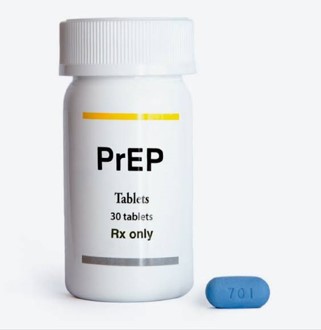
Pre-exposure prophylaxis, commonly called PrEP, is the use of antiretroviral medicine by a person who does not have HIV to reduce the likelihood of acquiring HIV before exposure occurs. PrEP may be used by people who could be exposed to HIV through sexual activity or, for some oral regimens, through sharing needles and other injecting equipment.
PrEP is different from HIV treatment. HIV treatment is taken by people who have HIV to control the virus, while PrEP is taken by people who have tested HIV-negative to prevent infection.
PrEP is also different from post-exposure prophylaxis, or PEP. PrEP is used before and during periods of possible exposure, while PEP is an emergency course of treatment started after a possible exposure and must be started within 72 hours.
When taken or received as prescribed, oral and injectable PrEP can reduce the likelihood of acquiring HIV through sex by about 99 percent. Oral PrEP has also been shown to reduce the likelihood of acquiring HIV through injecting drug use by at least 74 percent when taken as prescribed.
PrEP does not prevent every health condition associated with sexual activity. It does not prevent pregnancy, gonorrhoea, syphilis, chlamydia, hepatitis C or most other sexually transmitted infections. It should therefore be offered as part of a broader prevention package that may include condoms, compatible lubricants, sexually transmitted infection screening, contraception, harm reduction and treatment for partners living with HIV.
How PrEP Works
HIV mainly attacks immune cells known as CD4 cells. After entering the body, the virus must reproduce and spread before it can establish permanent infection.
PrEP places antiretroviral medicine in the blood, genital tissues or vaginal tissues before exposure. When enough medicine is present, it interferes with the steps HIV needs to reproduce. This can stop the virus from establishing infection.
The protection provided by PrEP depends heavily on effective use. A person must take tablets consistently, keep injection appointments or use the vaginal ring correctly, depending on the selected method.
PrEP does not permanently change the immune system. Its protection declines after tablets are stopped, an injection becomes overdue or a vaginal ring is removed without changing to another prevention method.
Who Can Use PrEP?
PrEP is intended for people who do not have HIV and would like additional protection because they may be exposed to the virus.
A person does not need to prove that they belong to a particular group before discussing PrEP. Current clinical guidance recommends informing sexually active adults and adolescents about PrEP and providing it to people who request it after confirming that they do not have HIV and that the product is medically appropriate.
A person may consider PrEP when they:
- Have a partner living with HIV whose viral load is detectable, unknown or not yet confirmed as suppressed.
- Have a partner whose HIV status is unknown.
- Do not always use condoms during vaginal or anal sex.
- Have recently had a sexually transmitted infection.
- Have used PEP more than once.
- Have had sex after alcohol or drug use and found it difficult to use protection.
- Have multiple sexual partners.
- Have a partner who has other sexual partners.
- Exchange sex for money, accommodation, transport, school fees, food or other support.
- Experience difficulty negotiating condom use.
- Have experienced sexual violence or reproductive coercion.
- Inject drugs and sometimes share needles, syringes or other equipment.
- Are trying to conceive with a partner living with HIV.
- Are pregnant or breastfeeding and continue to have possible exposure to HIV.
- Simply want greater control over their own HIV prevention.
PrEP should be offered voluntarily and confidentially. A person should not be forced to start it, continue it or disclose its use to a partner.
Who Should Not Start PrEP Immediately?
PrEP should not be started without further assessment when a person:
- Has a confirmed HIV-positive test.
- Has symptoms that may suggest very recent HIV infection.
- Had a substantial exposure within the past 72 hours and may need PEP instead.
- Cannot complete the necessary HIV testing.
- Has a known serious allergy to an ingredient in the selected product.
- Has a medical condition that makes a particular PrEP product unsuitable.
- Is already using HIV treatment or PEP without clinical review.
Starting PrEP during an undiagnosed HIV infection can allow HIV to develop resistance to some antiretroviral medicines. HIV testing is therefore required before initiation and during follow-up.
Symptoms that may occur during recent HIV infection include:
- Fever.
- Rash.
- Sore throat.
- Swollen glands.
- Headache.
- Muscle or joint pain.
- Diarrhoea.
- Night sweats.
- Mouth sores.
- Unusual tiredness.
These symptoms are not specific to HIV. However, a person with recent exposure and these symptoms should tell the provider before starting PrEP.
Assessments Before Starting PrEP
HIV testing
A person must be confirmed HIV-negative before starting PrEP. The type of test required may depend on recent exposure, symptoms and whether the person has recently used PEP or another PrEP product.
If HIV infection cannot be confidently excluded, the provider may arrange additional testing or temporarily manage the person as a possible recent exposure.
Assessment for recent exposure
The provider should ask whether a significant exposure occurred within the previous 72 hours. If it did, PEP may be more appropriate. After completing PEP and confirming HIV-negative status, the person may transition directly to PrEP when continuing exposure is expected.
Types of PrEP
PrEP is available in different forms. The main options include:
- Daily oral PrEP.
- Event-driven oral PrEP for selected people.
- The monthly dapivirine vaginal ring.
- Long-acting injectable cabotegravir.
- Twice-yearly injectable lenacapavir.
WHO’s 2024 provider guidance covered oral PrEP, the dapivirine vaginal ring and long-acting cabotegravir. In July 2025, WHO added twice-yearly injectable lenacapavir as another recommended HIV prevention option.
Not every product is available in every country or health facility. Uganda’s PrEP guidance includes daily and event-driven oral PrEP, the dapivirine ring and injectable cabotegravir. Availability may still differ between districts and facilities.
How Effective Is PrEP?
PrEP is highly effective when used correctly.
Oral and injectable PrEP reduce the likelihood of acquiring HIV through sex by approximately 99 percent when taken or received as prescribed. Oral PrEP reduces risk associated with injecting drug use by at least 74 percent, with protection depending on consistent use.
Effectiveness may be reduced by:
- Missing tablets frequently.
- Starting too close to exposure.
- Removing the vaginal ring.
- Delaying injections.
- Stopping without a transition plan.
- Beginning PrEP during undiagnosed HIV infection.
- Not returning for HIV testing and monitoring.
PrEP failure is rare when the medicine is used correctly, but no medical intervention offers absolute protection.
Benefits of PrEP
- It is highly effective. PrEP provides strong protection against HIV when used correctly.
- A person can use PrEP without depending entirely on a partner to agree to condoms, test for HIV or disclose their status.
- It reduces anxiety associated with:
- Condom failure.
- A partner’s unknown status.
- A partner’s detectable viral load.
- New relationships.
- Trying to conceive.
- Previous HIV exposure.
- It offers different choices which include
- Daily tablets.
- Event-driven tablets where appropriate.
- A monthly vaginal ring.
- Two-monthly injections.
- Twice-yearly injections.
Having several choices may improve uptake and effective use because people are more likely to continue a method that fits their lives and preferences.
- It can protect women during pregnancy and breastfeeding which may be periods of increased HIV vulnerability. Tenofovir-based daily oral PrEP is generally considered safe during pregnancy and breastfeeding when the possibility of HIV exposure justifies its use.
- Preventing HIV in the mother also prevents the possibility of transmitting newly acquired HIV to the baby.
- An HIV-negative person trying to conceive with a partner living with HIV may use PrEP as an additional protection method, especially when the partner has not yet achieved confirmed viral suppression.
- PrEP does not permanently affect the ability to become pregnant or father a child.
- PrEP may be used during seasons of exposure and stopped when it is no longer needed, provided the stopping process is planned safely.
Does PrEP Encourage Risky Sexual Behaviour?
PrEP gives people another prevention choice. It does not cause someone to have more partners or engage in particular sexual practices.
People have the right to HIV prevention without judgement. Counselling should focus on informed choices rather than blaming users.
Because PrEP does not prevent most other sexually transmitted infections or pregnancy, users should still be offered:
- Condoms.
- Lubricants.
- Contraception.
- Sexually transmitted infection testing.
- Hepatitis vaccination.
- Violence prevention and support.
Follow-Up While Using PrEP
PrEP requires regular follow-up.
Visits may include:
- HIV testing.
- Assessment of recent exposure.
- Review of adherence.
- Discussion of side effects.
- Kidney testing for some oral users.
- Sexually transmitted infection screening.
- Pregnancy testing where relevant.
- Hepatitis care.
- Refills or injections.
- Counselling on stopping, restarting or switching products.
HIV testing is especially important for people receiving long-acting injections because medicine remains in the body between visits.
The exact visit schedule depends on the product and national guidelines.
When Should PrEP Be Stopped?
A person may consider stopping PrEP when:
- They no longer have sexual exposure.
- A partner living with HIV has achieved and maintained confirmed viral suppression.
- A relationship has ended.
- They consistently use another effective prevention method.
- They stop injecting drugs.
- Side effects make the method unsuitable.
- They prefer to change to another PrEP product.
- Pregnancy or breastfeeding circumstances change.
- They no longer wish to use it.
- Stopping should be discussed with a provider because protection must continue for a period after the last possible exposure.
People using oral PrEP may need to continue tablets for several days after their final exposure, with the exact duration depending on exposure type and national guidance.
People stopping injectable PrEP require a longer follow-up plan because the medicine slowly leaves the body.
Restarting PrEP
A person who previously stopped PrEP may restart when exposure returns.
Before restarting, they should:
- Take an HIV test.
- Report any recent exposure.
- Report symptoms of possible recent HIV infection.
- Discuss whether PEP is needed first.
- Review current health conditions.
- Select the preferred PrEP option.
- Re-establish full protection before relying on the method.
Previous PrEP use does not guarantee current protection.
Switching Between PrEP Methods
A person may switch because of:
- Side effects.
- Availability.
- Pregnancy.
- Difficulty taking tablets.
- Fear of injections.
- Desire for greater privacy.
- Travel.
- Relationship changes.
- Preference for a longer-acting option.
Switching should be carefully timed to avoid a gap in protection.
For example, Uganda’s guidance advises that a person moving from the dapivirine ring to oral PrEP should establish sufficient oral dosing before relying on it, or use condoms during the transition. Similar transition planning is required when moving to injectable cabotegravir.
What to Do After Missing PrEP
Missing oral tablets
- Take the missed tablet when remembered if it is still the same day.
- Continue the normal schedule.
- Do not routinely take two doses together.
- Contact a provider after several missed doses.
- Seek urgent advice if a possible exposure occurred while protection may have been reduced.
Missing a ring replacement
- Replace the ring as soon as possible.
- Use condoms or avoid exposure while protection is being re-established.
- Contact the provider for specific instructions.
Missing a cabotegravir injection
- Contact the clinic immediately.
- Do not wait for the next normal appointment.
- Oral PrEP may be prescribed as temporary cover.
- HIV testing will be required.
Missing a lenacapavir injection
- Contact the provider promptly.
- Follow the programme’s bridging and testing plan.
- Use condoms or another prevention method until protection is restored.
After a significant exposure within 72 hours, PEP may be required instead of simply restarting PrEP.
Where PrEP Can Be Accessed in Uganda
PrEP may be available through:
- Government hospitals.
- Selected health centre IVs and health centre IIIs.
- HIV clinics.
- Sexual and reproductive health clinics.
- Private hospitals and clinics.
- Youth-friendly services.
- Antenatal and postnatal clinics.
- Key-population-friendly clinics.
- Community-based HIV programmes.
- Drop-in centres.
- Selected pharmacies and community delivery programmes.
- Organisations implementing HIV prevention projects.
Uganda began scaling up oral PrEP in 2017 and later adopted the dapivirine ring and injectable cabotegravir as additional choices. However, not every product is available at every service point.
Barriers to PrEP Use
People may struggle to start or continue PrEP because of:
- Fear of side effects.
- Daily pill fatigue.
- Transport costs.
- Distance to clinics.
- Long waiting times.
- Medicine stock-outs.
- Fear of being mistaken for someone taking HIV treatment.
- Partner opposition.
- Lack of privacy.
- Forgetfulness.
- Mobility and travel.
- Poor counselling.
- Provider judgement.
- Low perception of personal exposure.
- Fear of injections.
- Difficulty inserting the ring.
Uganda’s PrEP guidance identifies pill burden, travel, stigma, fear of side effects, lack of information, poor counselling and negative provider attitudes among the barriers affecting effective oral PrEP use.
Services should respond by offering choice, confidentiality, respectful counselling, flexible appointments and practical adherence support.
| Myth | Fact |
| PrEP is only for sex workers. | PrEP can be used by any HIV-negative person who wants protection against HIV and is medically eligible, regardless of their occupation or lifestyle. |
| Taking PrEP means someone is promiscuous. | Using PrEP shows that a person is taking proactive steps to protect their health. It does not indicate how many sexual partners they have or their sexual behaviour. |
| PrEP is the same as HIV treatment. | Although some of the medicines used in PrEP are also used in HIV treatment, PrEP is taken by HIV-negative people to prevent HIV infection, while HIV treatment is for people living with HIV. |
| PrEP causes HIV. | PrEP does not contain HIV and cannot cause HIV infection. It is designed to prevent HIV when taken correctly. |
| PrEP prevents every sexually transmitted infection (STI). | PrEP protects against HIV only. It does not prevent most other sexually transmitted infections such as gonorrhoea, chlamydia, or syphilis. Condoms remain important for broader STI protection. |
| PrEP prevents pregnancy. | PrEP is not a contraceptive and does not prevent pregnancy. People who wish to avoid pregnancy should use an effective contraceptive method. |
| PrEP must be taken for life. | PrEP can be used during periods when a person is at risk of HIV exposure and stopped safely, under the guidance of a healthcare provider, when it is no longer needed. |
| A person using PrEP does not need HIV tests. | Regular HIV testing is essential before starting PrEP and throughout its use to ensure that the person remains HIV-negative. |
| Missing one tablet means PrEP has completely failed. | Protection does not disappear immediately after a single missed dose. However, missing doses repeatedly reduces the effectiveness of PrEP and increases the risk of HIV infection. |
| Herbal medicines can replace PrEP. | No herbal medicine or natural remedy has been scientifically proven to provide the same level of HIV prevention as approved PrEP medicines. |
Conclusion
Pre-exposure prophylaxis is one of the most effective HIV prevention methods currently available. It allows HIV-negative people to take greater control of their prevention before exposure occurs.
Different options are now available, including daily tablets, event-driven tablets for selected users, the monthly dapivirine vaginal ring, two-monthly injectable cabotegravir and twice-yearly injectable lenacapavir. Each method has different advantages, side effects, monitoring requirements and availability.
PrEP works best when the selected method fits the user’s needs and is used correctly. It should be supported by regular HIV testing, respectful counselling and access to condoms, contraception, sexually transmitted infection services and other prevention options.
Anyone interested in PrEP should visit a recognised health facility or HIV prevention provider for HIV testing and individual assessment. Someone who may have been exposed to HIV within the previous 72 hours should seek emergency PEP immediately rather than waiting to begin routine PrEP.